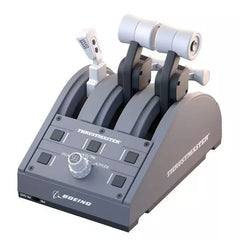
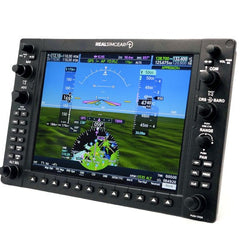
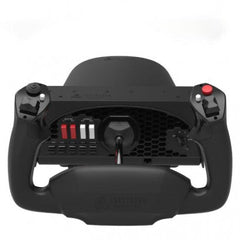
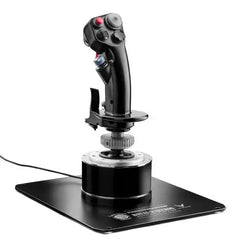
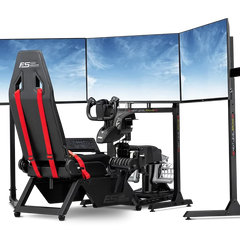
Flight Simulator Controller

56 Produkte

  • letzter Vorrat Wingflex B777 CDU

    WingFlex Wingflex B777 CDU

    3 auf Lager Versand innerhalb von 1-3 Werktagen.

    Please note! Shipping of this item may take 7-10 business days! Wingflex B777 CDU brings long-haul flight management onto a dedicated physical interface, combining 1:1 full-scale construction with plug-and-play USB connectivity. The illuminated aircraft-style keypad gives route entries, performance calculations and arrival changes a satisfyingly deliberate rhythm, while the slim enclosure avoids swallowing half the desk. Physical captain and first-officer selection adds useful flexibility, and the adjustable stand keeps the screen readable from several seating positions. It is considerably more convincing than wrestling with a tiny pop-out window somewhere between cruise altitude and dinner service. What Sets the Wingflex B777 CDU apart? Full-Scale Controls for Proper Boeing Workflows The 1:1 layout preserves the spacing, key placement and proportions expected from a Boeing 777 CDU. That makes frequent tasks such as route entry, performance setup and arrival amendments easier to complete through muscle memory. Independent video coverage also shows the unit functioning as a substantial desktop control rather than a reduced keypad, which should please pilots whose fingers have grown tired of negotiating tiny virtual buttons with a mouse. Useful Support Beyond the Boeing 777 Despite its B777-specific face and operating style, the unit supports selected PMDG, iFly, Zibo, LevelUp and IXEG aircraft. This includes several 737 variants and the PMDG 747 V2 alongside the supported 777 family. That broader integration gives Boeing-focused pilots more value from one device, although the physical legends and layout naturally remain best matched to the 777 rather than every aircraft in the compatibility list. One Unit Can Serve Either Cockpit Seat Physical left-and-right selection allows the CDU to represent the captain or first-officer position without requiring a second unit. This is particularly useful for compact home cockpits, shared training stations and desktop layouts where space disappears faster than fuel during a badly planned diversion. The multi-angle stand further improves placement flexibility, letting the display sit below a monitor, beside a throttle quadrant or within a developing cockpit structure. Desktop-Friendly Construction Without a Wiring Project The USB interface combines the display and physical controls into one self-contained unit, avoiding the separate controller boards, video connections and custom wiring common in more elaborate cockpit components. Its 1.25 kg weight provides enough substance to remain planted during data entry, while the slim housing remains portable. Review footage also demonstrates straightforward stand assembly and operation with Microsoft Flight Simulator, making the unit approachable for pilots who prefer flying to cable archaeology. Pros and Cons Pros Cons Full-scale keypad supports familiar Boeing flight-management procedures. Physical layout remains specifically tailored to Boeing aircraft. Backlit keys improve operation in dark cockpit setups. Compatibility is restricted to explicitly supported aircraft packages. Physical switch selects captain or first-officer operation. Adjustable stand provides several practical viewing positions. USB connection reduces separate interface hardware requirements. Specifications Specification Value Product Wingflex B777 CDU Aircraft Style Boeing 777 Control Display Unit Scale 1:1 full scale Construction Aviation-grade materials Interface USB Installation Plug-and-play design Keyboard Aircraft-style internal structure with backlighting Input Behaviour Customisable random entry-delay effect Cockpit Position Selection Physical switching between left and right seats Firmware Supports online firmware upgrades Stand Multi-angle adjustable stand Form Factor Slim, ultra-thin design Length 33 cm Height 24 cm Width 10 cm Weight 1.25 kg Supported Simulator Families Microsoft Flight Simulator, X-Plane 11/12 and Prepar3D Wingflex B777 CDU Compatibility Platform Compatible Aircraft Microsoft Flight Simulator PMDG 737NG 600, 700, 800 and 900; PMDG 777-300ER, 777-200ER and 777-200F; iFly 737 MAX X-Plane 11/12 Zibo 737NG, LevelUp 737NG and IXEG 737-300 Classic Prepar3D PMDG 777, PMDG 737NGXu, PMDG 747 V2, iFly 737NG and iFly 737 MAX The CDU connects through a USB interface and combines its screen, illuminated keypad and seat-selection controls in one enclosure. Its physical captain and first-officer switching allows one device to serve either CDU position, while the multi-angle desktop stand supports several installation positions. No standard cockpit mounting pattern or direct compatibility with third-party CDU frames is specified, so permanent cockpit installation may require a purpose-made bracket or shelf. Software integration covers PMDG, iFly, Zibo, LevelUp and IXEG aircraft, including selected 737, 747 and 777 packages. The B777 layout is naturally best suited to PMDG 777 operations, although supported 737 software can also communicate with the unit. Aircraft not included in the published compatibility table, generic FMC implementations and unrelated Airbus packages should not be considered supported merely because they use a superficially similar flight-management interface. For simulation platforms, the CDU supports Microsoft Flight Simulator on PC, X-Plane 11 and 12 and Prepar3D when used with a listed aircraft package. Independent review footage demonstrates operation in both Microsoft Flight Simulator 2020 and 2024. It is a PC-focused USB peripheral and is not listed for Xbox or PlayStation, so console versions of Microsoft Flight Simulator fall outside its published compatibility.

    3 auf Lager Versand innerhalb von 1-3 Werktagen.

    €599,00

  • letzter Vorrat Wingflex B737NG CDU

    WingFlex Wingflex B737NG CDU

    3 auf Lager Versand innerhalb von 1-3 Werktagen.

    Please note! Shipping of this item may take 7-10 business days! Wingflex B737NG CDU gives Boeing flight-deck workflows a proper physical home, combining 1:1 full-scale construction with plug-and-play USB operation. Its backlit keypad, crisp display and aircraft-style key structure make route changes and performance entries satisfyingly deliberate, rather than another round of mouse gymnastics. Left and right CDU positions can be selected through physical controls, while the slim housing and adjustable stand keep it practical for desktop use. It is serious cockpit hardware, but thankfully does not require rebuilding the entire flight deck around it. What Sets the Wingflex B737NG CDU apart? A Full-Scale Interface That Builds Useful Muscle Memory The 1:1 layout preserves the spacing and physical arrangement expected from a Boeing CDU, making repeated FMC procedures easier to perform without constantly checking hand position. Review coverage has particularly valued the full-size format because it feels substantial rather than like a reduced desktop keypad. That matters during departure preparation, when entering a route, checking performance pages and correcting one inevitable discontinuity already provide enough entertainment. Broad Support Beyond a Single Boeing Add-On Many dedicated CDUs are tied closely to one aircraft package, but this unit covers PMDG, iFly, Zibo, LevelUp and IXEG aircraft across three simulator families. It even extends beyond the 737 through selected PMDG 747 and 777 support. That breadth gives Boeing-focused pilots more freedom to change aircraft without leaving an expensive screen and keypad sitting dark on the desk like a very specialised paperweight. Physical Seat Switching for Flexible Cockpit Layouts Dedicated controls allow the CDU to switch between the captain and first-officer positions without rebuilding the installation or relying entirely on software menus. This is useful for single-unit home cockpits, shared training stations and desktop setups where buying two displays would be difficult to justify. The multi-angle stand also helps place the screen at a readable position, whether it sits beneath a monitor or beside a throttle quadrant. Convenient USB Operation With One Initial Software Step The CDU uses a USB connection and accompanying bridge software rather than requiring a collection of separate display, controller and interface boards. Retail documentation notes that PMDG users may need to run the simulator, aircraft and bridge software through one complete initial session before the required parameters are available. After that first configuration, the arrangement is designed for routine use without rebuilding mappings before every flight. Pros and Cons Pros Cons Full-scale keypad supports familiar Boeing FMC workflows. Supported aircraft require dedicated bridge software integration. Backlit keys remain readable in dark cockpits. Initial PMDG configuration requires a complete simulator session. Physical controls switch between left and right seats. Adjustable stand suits varied desktop viewing positions. Firmware updates allow continuing compatibility improvements. Specifications Specification Value Product Wingflex B737NG CDU Scale 1:1 full scale Aircraft Style Boeing 737NG Control Display Unit Construction Aviation-grade materials Interface USB Installation Plug-and-play operation Keypad Backlit aircraft-style keyboard structure Entry Effect Customisable random input delay Cockpit Position Selection Physical switching between left and right seats Firmware Supports online firmware upgrades Stand Multi-angle adjustable stand Form Factor Slim, ultra-thin design Supported Simulator Families Microsoft Flight Simulator, X-Plane 11/12 and Prepar3D Wingflex B737NG CDU Compatibility Platform Compatible Aircraft Microsoft Flight Simulator PMDG 737NG 600, 700, 800 and 900; PMDG 777-300ER, 777-200ER and 777-200F; iFly 737 MAX X-Plane 11/12 Zibo 737NG, LevelUp 737NG and IXEG 737-300 Classic Prepar3D PMDG 737NGXu, PMDG 747 V2, PMDG 777, iFly 737NG and iFly 737 MAX The CDU connects through USB and is designed to work with the manufacturer’s bridge software, so it does not require a separate video interface and controller board. Its physical seat-selection function supports both captain-side and first-officer-side operation, making one unit practical in a compact cockpit. It can sit on the supplied multi-angle desktop stand, although no compatibility with third-party cockpit mounting frames or standardised mounting patterns is specified. Aircraft integration is limited to the explicitly supported add-ons rather than every Boeing or generic FMC simulation. It works with PMDG, iFly, Zibo, LevelUp and IXEG aircraft listed above, but unrelated Boeing products, default aircraft and unsupported avionics packages should not be treated as compatible. PMDG installations may require an initial full simulator session with the aircraft and bridge application running before normal communication begins. For software platforms, the CDU supports Microsoft Flight Simulator on PC, X-Plane 11 and 12 and Prepar3D when paired with a listed aircraft package. It is a PC USB peripheral and is not presented as compatible with Xbox or PlayStation. Console editions of Microsoft Flight Simulator therefore fall outside its stated support, even when the corresponding aircraft family is available on the platform.

    3 auf Lager Versand innerhalb von 1-3 Werktagen.

    €599,00

  • letzter Vorrat Wingflex A320 MCDU

    WingFlex Wingflex A320 MCDU

    3 auf Lager Versand innerhalb von 1-3 Werktagen.

    Please note! Shipping of this item may take 7-10 business days! Wingflex A320 MCDU transforms one of the most important cockpit interfaces into a dedicated piece of hardware with a Full HD glass display and 1:1 full-scale Airbus dimensions. From entering flight plans to managing performance data, every key press feels deliberate and satisfying, while the lightweight plug-and-play design makes it equally at home on a permanent cockpit or a portable training setup. The synchronized backlighting and carefully reproduced operating logic make long IFR sessions far more engaging than relying on a virtual CDU alone. What Sets the Wingflex A320 MCDU apart? Built Around Full-Scale Airbus Operation Rather than simply looking like an Airbus MCDU, this unit follows the operational layout and logic pilots expect from the aircraft. The 1:1 dimensions make procedures, button locations and muscle memory feel natural, especially during longer IFR flights. Flight simulation communities frequently point out that using dedicated hardware for FMS programming significantly reduces reliance on mouse interaction and helps maintain a smoother cockpit workflow. Excellent Display Visibility Day and Night The Full HD display produces crisp flight plan pages, performance calculations and system information that remain easy to read from typical seating positions. Combined with the simulated glass panel and synchronized brightness controls, it maintains excellent visibility across changing cockpit lighting conditions. Pilots often praise hardware with bright, sharp displays because they reduce eye strain during extended flights and make data entry noticeably more comfortable. Backlit Line Select Keys That Improve Workflow One standout feature is the illuminated Line Select Keys, making nighttime operations and dimly lit cockpit environments considerably easier to manage. Instead of searching for individual buttons, each selection remains clearly visible while preserving the clean Airbus appearance. Users who regularly fly after dark often regard illuminated controls as one of the small touches that dramatically improves day-to-day usability. Portable Yet Ready for Dedicated Cockpits Its lightweight plug-and-play construction makes the MCDU equally suited to desktop flying and larger cockpit projects. Many builders appreciate hardware that works immediately without complex installation while still fitting neatly into expanding Airbus panels later on. Community discussions frequently highlight this balance between portability and long-term cockpit integration as an important advantage for pilots who gradually build their simulator over time. Pros and Cons Pros Cons Full-scale Airbus layout improves procedural familiarity. Designed primarily for Airbus aircraft families. Full HD display delivers sharp flight management pages. Requires compatible PC flight simulators. Backlit Line Select Keys aid low-light operation. Plug-and-play installation simplifies desktop setup. Specifications Specification Value Product Wingflex A320 MCDU Scale 1:1 Full-scale Airbus A320 dimensions Display Full HD display with simulated glass panel Connection Plug-and-play Construction Aviation-grade materials Key Illumination Backlit Line Select Keys (LSK) Brightness Control Adjustable display and keypad brightness with in-game synchronization Operating Logic Replicates Airbus A320 MCDU operation Primary Use Flight simulation and pilot procedure training Form Factor Ultra-slim, lightweight and portable Wingflex A320 MCDU Compatibility Simulator Supported Aircraft X-Plane ToLiss A319, A320, A330, A340; Laminar A330 Microsoft Flight Simulator Fenix A3xx, FlyByWire A320, iniBuilds A340, Headwind A330 Prepar3D FSLabs A32x The Wingflex A320 MCDU is designed specifically for Airbus simulation and supports an extensive selection of popular aircraft add-ons. It is compatible with Fenix A3xx, FlyByWire A320, ToLiss Airbus aircraft, FSLabs, Headwind A330 and several iniBuilds models. Its standardized plug-and-play design makes it easy to integrate into desktop simulators while also fitting naturally into larger home cockpit projects that use dedicated Airbus hardware. Compatibility is focused on Airbus aircraft rather than universal flight management systems. While it works across multiple simulator platforms, it is not intended for Boeing FMC hardware or aircraft with completely different flight management interfaces. Builders pairing it with Airbus throttle quadrants, FCUs and overhead panels will achieve the most cohesive cockpit workflow, as the hardware follows Airbus operating philosophy throughout. The MCDU is intended for PC-based flight simulation and supports Microsoft Flight Simulator, X-Plane and Prepar3D using compatible Airbus aircraft. It is not compatible with Xbox or PlayStation consoles, since those platforms do not support dedicated USB cockpit peripherals of this type. For PC Airbus enthusiasts, it integrates naturally into both compact desktop setups and complete flight deck builds.

    3 auf Lager Versand innerhalb von 1-3 Werktagen.

    €599,00

  • letzter Vorrat MOZA MA3F Electronic Flight Control Modules L for sale on FlightSimZone

    Moza MOZA MA3F Electronic Flight Control Modules L (Pre-Order! Shipping Starts mid-to-late-August)

    5 auf Lager Versand innerhalb von 1-3 Werktagen.

    MOZA MA3F Electronic Flight Control Modules L bring the unmistakable Airbus A320 flight deck to your simulator with controls that make every heading change, altitude adjustment, and approach setup feel deliberate. The dual-rail spring-loaded push/pull mechanism recreates the distinctive operation of Airbus autopilot controls, while custom segmented displays faithfully mirror Airbus-specific character formatting and spacing. From the satisfying click of each selector to the coordinated cockpit lighting, every interaction encourages proper Airbus procedures throughout the entire flight. What Sets the MOZA MA3F Electronic Flight Control Modules L apart? Faithful Airbus Push/Pull Operation – The dual-rail spring-loaded push/pull mechanism delivers a noticeably more convincing feel than conventional encoder-based controls. Airbus enthusiasts often point out that having distinct push and pull actions makes switching between managed and selected modes feel far more intuitive, helping reproduce familiar cockpit workflows without relying on keyboard shortcuts or mouse clicks. Displays That Match Airbus Presentation – Rather than using generic digital readouts, the custom segmented displays reproduce Airbus-style character spacing, typography, and formatting. Builders frequently appreciate these visual details because the modules blend naturally with other Airbus cockpit hardware, creating a clean and cohesive flight deck instead of a collection of mismatched peripherals. Flexible Expansion for Growing Cockpits – Available as an FCU only, FCU with a single EFIS, or a complete Electronic Flight Control Module suite, the system adapts to different cockpit sizes and budgets. The optional extended-function EFIS mode adds further flexibility, allowing additional controls to be accessed without filling the cockpit with extra hardware. Straightforward Installation and Configuration – The included mounting bracket, aluminum-profile compatibility, and standard 75 mm VESA support make installation simple across desktop and full-frame cockpits. Users also appreciate MOZA Cockpit software for its synchronized lighting, streamlined configuration process, and flexible control customization without requiring complicated setup procedures. Pros and Cons Pros Cons Excellent Airbus-style push/pull control mechanism. Designed specifically for Airbus aircraft. Displays closely match Airbus FCU formatting. Requires a Windows PC. Modular configurations support gradual cockpit upgrades. Synchronized lighting creates a cohesive cockpit appearance. Specifications Specification Value Product Type Airbus A320-style FCU and EFIS control system Available Configurations FCU only, FCU + single EFIS, complete EFCM suite Display Type Custom Airbus-style segmented displays Autopilot Control Mechanism Dual-rail spring-loaded push/pull controls Lighting Independent display, character, and status illumination Software Integration MOZA Cockpit Supported Platform PC Mounting Options Included bracket, aluminum profile, 75 mm VESA mount Extended Function Optional EFIS extended-function control mode MOZA MA3F Electronic Flight Control Modules L Compatibility Hardware Compatibility Mounting Systems Included bracket, aluminum-profile rigs, 75 × 75 mm VESA mounts MOZA Cockpit Software Telemetry synchronization and configuration supported Cockpit Configurations FCU only, single EFIS, or complete EFCM suite Flight Simulator Compatibility Microsoft Flight Simulator Default Airbus A320/A330 and supported Airbus add-ons X-Plane Compatible with Airbus aircraft including ToLiss series Third-Party Aircraft Fenix A320, FlightFactor A320, ToLiss series, and other popular Airbus airliners Designed for PC flight simulation, the MA3F Electronic Flight Control Modules L integrate with MOZA Cockpit software for telemetry synchronization, synchronized lighting, and simple configuration. Included bracket mounting, aluminum-profile compatibility, and 75 mm VESA support allow the modules to fit comfortably into desktop cockpits or larger Airbus flight deck projects. The modular design allows builders to begin with a single FCU or expand into a complete Electronic Flight Control Module suite as their simulator grows. Independent adjustment of display brightness, character illumination, and status lighting helps maintain a consistent cockpit appearance during daytime departures and night operations alike. Compatible with Microsoft Flight Simulator and X-Plane, the system supports default Airbus A320 and A330 aircraft together with leading third-party aircraft including Fenix A320, ToLiss, FlightFactor A320, and other popular Airbus airliners. The supported platform is PC; gaming consoles and macOS are not supported.

    5 auf Lager Versand innerhalb von 1-3 Werktagen.

    €109,00

  • letzter Vorrat MOZA MB7F Flight Computer Display for sale on FlightSimZone

    Moza MOZA MB7F Flight Computer Display (Vorbestellung! Versand beginnt Mitte bis Ende August)

    5 auf Lager Versand innerhalb von 1-3 Werktagen.

    MOZA MB7F Flight Computer Display fängt das Aussehen und den Arbeitsablauf der Boeing 737 CDU ein und bietet Home-Cockpit-Bauern eine zufriedenstellende Möglichkeit, Routen, Ankünfte und Flugzeugleistung zu verwalten. Das 5.1-inch hochauflösende IPS-Display zeigt gestochen scharfen Text, der während jeder Flugphase leicht lesbar bleibt, während die Frontplatte aus Aluminium-Druckguss bei jedem Tastendruck ein solides Gefühl vermittelt. Von der Vorflugprogrammierung bis zur Sinkflugplanung verleiht jeder Tastendruck und jede Display-Aktualisierung dem Erlebnis mehr Vertrauen, ohne zur Maus greifen zu müssen. Was zeichnet das MOZA MB7F Flight Computer Display aus? Auf Boeing 737-Arbeitsabläufe ausgelegt – Statt als generisches Tastenfeld zu dienen, ist das MB7F rund um das Layout und den Bedienablauf der Boeing 737 CDU entwickelt. Piloten, die regelmäßig PMDG und ähnliche Flugzeuge fliegen, schätzen dedizierte Hardware, die Routenprogrammierung, Leistungseingaben und FMC-Änderungen in Reichweite hält, anstatt sich auf Pop-up-Fenster auf dem Bildschirm verlassen zu müssen. ``` ``` Hervorragendes mechanisches Gefühl – Die Kombination aus Dome-Schaltern mit hoher Betätigungskraft und starren Silikon-Tastenkappen gibt jedem Tastendruck eine sichere, positive Rückmeldung. Viele Cockpit-Bauer schätzen Hardware, die jede Eingabe allein durch Berührung vermittelt, wodurch sich lange Flugpläne und Dateneingaben leichter bearbeiten lassen, während die Aufmerksamkeit auf dem Flight Deck bleibt. ``` ``` Nützlich über die Flugplanung hinaus – Die integrierten Checklistenseiten und drei eingebauten Whiteboard-Seiten machen das MB7F zu mehr als nur einer CDU-Replik. Frequenzen, Freigabenotizen, Anflugbriefings und betriebliche Erinnerungen können direkt auf dem Gerät gespeichert werden, wodurch der Bedarf an Papiernotizen oder zusätzlichen Displays bei längeren Flügen reduziert wird. ``` ``` Entwickelt, um mit deinem Cockpit mitzuwachsen – Der mitgelieferte Desktop-Ständer bietet einen einfachen Einstieg, während die standardmäßige 75 × 75 mm VESA-Kompatibilität eine dauerhafte Installation ebenso unkompliziert macht. In Kombination mit synchronisierter Beleuchtung über die MOZA Cockpit software fügt sich das Display sowohl in kompakte Desktop-Setups als auch in vollständige Cockpit-Bauten im Boeing-Stil natürlich ein. Vor- und Nachteile Vorteile Nachteile Ausgezeichnete taktile Tasten mit minimalem Spiel. Primär für Boeing 737-Flugzeuge entwickelt. Scharfes IPS-Display hält Text leicht lesbar. Nur PC-Plattform. Integrierte Checklisten- und Whiteboard-Funktionen. Solide Frontplatte aus Aluminium-Druckguss. Spezifikationen Spezifikation Wert Produkttyp Boeing 737 Flight Computer Display (CDU) Abmessungen 277.9 × 145.5 × 32 mm Gewicht 646 g Displaygröße 5.1-inch IPS Gehäusematerial Aluminium-Druckgusslegierung, ABS, PC Anschluss USB Type-C 2.0 Nennspannung 5 V Nennstrom 900 mA Unterstützte Plattform PC Montageoptionen Desktop-Ständer, 75 × 75 mm VESA-Halterung Mitgeliefertes Zubehör Datenkabel, Desktop-Ständer MOZA MB7F Flight Computer Display Kompatibilität Hardware Kompatibilität MOZA Cockpit Software Unterstützt synchronisierte Beleuchtung und Konfiguration Montagesysteme Desktop-Ständer und 75 × 75 mm VESA-Halterung Anschluss USB Type-C 2.0 Flugsimulator Kompatibilität Microsoft Flight Simulator Unterstützt PMDG und andere Boeing 737-Add-ons X-Plane Kompatibel mit unterstützten Boeing 737-Add-ons Entwickelt für PC-Flugsimulation, integriert sich das MB7F mit der MOZA Cockpit software für synchronisierte Beleuchtung und Konfiguration. Ein USB Type-C-Anschluss hält die Installation unkompliziert, während der mitgelieferte Desktop-Ständer und die 75 × 75 mm VESA-Kompatibilität den Wechsel zwischen einem Desktop-Setup und einem dedizierten Cockpit erleichtern. Die kompakte Stellfläche und die robuste Metallfrontplatte machen das MB7F gut geeignet für Mehrpanel-Installationen, ohne Montagerahmen übermäßig zu belasten. Es funktioniert problemlos neben Steuerhörnern, Schubhebeln, Funkpanels und anderer Cockpit-Hardware, ob auf einem Schreibtisch oder an einem Simulatorrahmen aus Aluminiumprofilen installiert. Kompatibel mit Microsoft Flight Simulator und X-Plane, ist das MB7F für PMDG und andere führende Boeing 737-Add-ons entwickelt. PC ist die unterstützte Plattform; Mac-Systeme und Spielkonsolen werden nicht unterstützt.

    5 auf Lager Versand innerhalb von 1-3 Werktagen.

    €209,00

  • Honeycomb Echo Aviation Controller for sale on FlightSimZone

    Fly Honeycomb Honeycomb Echo Aviation Controller

    Nicht vorrätig, Vorbestellungen möglich. Versand in 2–2,5 Wochen.

    Honeycomb Echo Aviation Controller is one of those devices that makes you rethink how much hardware you actually need to fly properly. Everything sits in your hands—pitch, roll, yaw, throttle, trim—all within reach, anchored by a 16-bit Hall-effect thumbstick that feels smooth and consistent through every movement. Pair that with a complete all-in-one flight control layout, and you’ve got a compact cockpit that works just as well on a desk as it does on the couch. It’s clever, tactile, and surprisingly capable for its size. What Sets the Honeycomb Echo Aviation Controller apart? All-in-One Without Feeling Compromised – Many compact controllers try to do everything and end up feeling like a gamepad with extra buttons. The Echo stands out because each control has a defined purpose and physical identity. Users often mention how the dedicated trim wheel, levers, and rudder system make it feel closer to a proper flight control setup, rather than a simplified alternative. Mechanical Rudder Integration – Instead of relying on twist input or triggers, the Echo uses mechanically linked rudder pedals with Hall-effect sensing. This is something pilots quickly notice, especially during coordinated turns or crosswind landings. The self-centering action gives a consistent feel that’s easier to manage than digital-style inputs found on many compact controllers. Designed for Flexible Flying Spaces – Feedback from users consistently highlights how freeing it is to fly without a fixed rig. Whether sitting at a desk, relaxing on a couch, or traveling, the Echo adapts without needing mounts or external peripherals. It’s particularly appealing for sim pilots who don’t have space for a full yoke, throttle quadrant, and pedal setup. Thoughtful Control Layout for MSFS – The layout feels intentionally designed around Microsoft Flight Simulator workflows. Common functions like gear, flaps, trim, and camera controls are placed where fingers naturally rest. Many users note that once muscle memory develops, cockpit interaction becomes quicker and more fluid compared to mapping everything onto a generic controller. Pros and Cons Pros Cons All flight controls integrated into one compact unit Less tactile separation than full-size hardware setups Hall-effect sensors provide smooth, drift-free input Limited physical range compared to dedicated yokes Wireless operation with long battery life Portable design works without dedicated sim rig Specifications Specification Value Control Type All-in-one flight controller (pitch, roll, yaw, throttle, trim, flaps, gear) Primary Input 16-bit Hall-effect thumbstick Rudder System Mechanically linked Hall-effect rudder pedals Throttle/Sliders Four detented sliders with interchangeable caps Connectivity Wireless (2.4 GHz dongle) or USB-C wired Battery 1200 mAh, up to 15 hours usage System Compatibility PC and Mac Software Compatibility Microsoft Flight Simulator, X-Plane 11/12, Prepar3D Included Accessories Travel case, lever caps, wireless dongle, USB cable Warranty 2-year limited warranty Honeycomb Echo Aviation Controller Compatibility The Echo is built with flexibility in mind. It is compatible with PC and Mac systems and connects either through USB-C wired connection or a 2.4 GHz wireless dongle. Because it operates as a standalone controller, it does not require additional yokes, pedals, or throttle quadrants, making it ideal for compact setups or portable use. It is not designed to integrate directly with traditional hardware ecosystems like separate yokes or external rudder pedals. Its all-in-one design means fewer cables and simpler setups, but it also means less modular expansion compared to full cockpit systems. Pilots who prefer mixing and matching hardware may find it less suited to complex multi-device configurations, as the Echo is intended to replace, rather than complement, those components. On the software side, the controller is fully compatible with Microsoft Flight Simulator and also supports X-Plane 11, X-Plane 12, and Prepar3D. It is not designed for console use, focusing entirely on PC-based simulation platforms where full input mapping and customization are available.

    Nicht vorrätig, Vorbestellungen möglich. Versand in 2–2,5 Wochen.

    €150,00

  • WINCTRL URSA MINOR Airline Joystick L

    WINCTRL WINCTRL URSA MINOR Airline Joystick L

    Nicht vorrätig, Vorbestellungen möglich. Versand in 2–2,5 Wochen.

    WINCTRL URSA MINOR Airline Joystick L brings airline-style control to the desktop with a clever mix of tactile feedback and thoughtful engineering. The standout feature is the flight-data-linked vibration engine, which adds subtle physical cues during events like flap deployment, airflow changes, and touchdown. Pair that with non-contact magnetic resistance sensors on the X and Y axes, and the stick delivers smooth, stable inputs without the wear issues common in cheaper mechanisms. The result is a joystick that feels lively in hand yet technically grounded under the hood. What Sets the WINCTRL URSA MINOR Airline Joystick L apart? Flight Data Driven Vibration Feedback The URSA MINOR stands out with a vibration motor tied directly to in-sim flight data. Instead of generic rumble, the stick reacts to events like landing contact, airflow changes, or flap movement. Pilots online often mention how this adds subtle physical cues during phases like flare or speed changes, providing a tactile reminder of what the aircraft is doing without constantly glancing at instruments. Robust Gimbal With Magnetic Sensors At the core of the stick is a glass-fiber-reinforced nylon gimbal running on ball bearings, paired with non-contact magnetic sensors for the primary axes. This combination helps maintain smooth motion over time without the jitter common in potentiometer-based designs. Enthusiasts frequently note that the stick movement feels stable across the entire travel range, particularly during small pitch adjustments on final approach. Airliner-Inspired Grip Layout The grip design borrows cues from airline sidestick ergonomics, offering a balanced control layout that includes a PTT trigger, autopilot disconnect switch, and a concealed five-way switch beneath a magnetic cover. Pilots often highlight how practical this arrangement is for everyday flying tasks—radio calls, autopilot overrides, and camera views can all be handled without reaching for the keyboard. Flexible Mounting and Maintenance Design The base includes anti-slip pads for desktop use along with pre-drilled mounting holes for cockpit rigs. A quick-release base cover allows access to internal adjustments without dismantling the entire unit. This detail is frequently appreciated by sim cockpit builders who prefer gear that can be tuned or serviced easily rather than permanently sealed hardware. Pros and Cons Pros Cons Flight-data vibration feedback adds tactile flight cues. Plastic construction compared to metal joystick designs. Magnetic sensors reduce wear and input drift. Limited axis travel compared to extended bases. Good button layout for airliner-style flying tasks. Desk or cockpit mounting options included. Specifications Specification Value Product Model URSA MINOR-Airline-Joystick L Material Industrial ABS plastic (PC + ABS) Controller 32-bit ARM controller X/Y Axis Movement Angle ±15° Z Axis Rotation Angle ±20° X/Y Sensors Non-contact magnetic resistance sensors Gimbal Construction Glass fiber reinforced nylon with ball bearings Operating Force (X/Y) Approximately 6N Rotation Torque (Z) ~4 kgf·cm Throttle Axis Type Long-travel sliding potentiometer Throttle Axis Travel 38 mm Buttons 14 buttons (250gf press force, 0.25 mm travel) Special Controls Hidden 5-way switch, PTT trigger, autopilot disconnect Vibration Feature Adjustable amplitude levels from 0–255 Mounting Options Anti-slip desktop pads and cockpit mounting holes Item Weight 3 kg Included in Box J5-BASE-BLACK + JGRIP-C1-R, Data Cable, Toolkit, Accessories Pack WINCTRL URSA MINOR Airline Joystick L Compatibility Platform Compatibility Connection Type USB plug-and-play connection Software Configuration WW SIMAPP Pro software for button mapping Mounting Desktop use or cockpit mounting The URSA MINOR Airline Joystick L connects via standard USB, allowing it to integrate easily with throttle quadrants, rudder pedals, and other flight hardware from many manufacturers. The base supports both desktop placement with anti-slip pads and cockpit mounting using pre-drilled holes, which is useful for sim rigs or permanent setups. Configuration is handled through WW SIMAPP Pro software, enabling button assignments and vibration adjustments directly from a visual interface. Within a flight setup, the joystick works well alongside external throttles, radio panels, or pedal systems because it behaves as a standard USB HID controller. It does not require proprietary ecosystems and can coexist with other brands in the same cockpit. However, it is intended for PC-based simulation environments and does not integrate directly with console platforms. In terms of simulators, the stick supports Microsoft Flight Simulator 2020, X-Plane, Prepar3D, and also space or combat titles like Star Citizen, Elite Dangerous, and War Thunder. Its plug-and-play USB design allows quick recognition in most PC simulation platforms. It is not designed for Xbox or PlayStation consoles, as those systems typically require licensed hardware and different firmware structures.

    Nicht vorrätig, Vorbestellungen möglich. Versand in 2–2,5 Wochen.

    €99,00

  • WINCTRL URSA MINOR Airline Joystick R

    WINCTRL WINCTRL URSA MINOR Airline Joystick R

    Nicht vorrätig, Vorbestellungen möglich. Versand in 2–2,5 Wochen.

    WINCTRL URSA MINOR Airline Joystick R brings airline-style control to the desktop with a clever mix of tactile feedback and thoughtful engineering. The standout feature is the flight-data-linked vibration engine, which adds subtle physical cues during events like flap deployment, airflow changes, and touchdown. Pair that with non-contact magnetic resistance sensors on the X and Y axes, and the stick delivers smooth, stable inputs without the wear issues common in cheaper mechanisms. The result is a joystick that feels lively in hand yet technically grounded under the hood. What Sets the WINCTRL URSA MINOR Airline Joystick R apart? Flight Data Driven Vibration Feedback The URSA MINOR stands out with a vibration motor tied directly to in-sim flight data. Instead of generic rumble, the stick reacts to events like landing contact, airflow changes, or flap movement. Pilots online often mention how this adds subtle physical cues during phases like flare or speed changes, providing a tactile reminder of what the aircraft is doing without constantly glancing at instruments. Robust Gimbal With Magnetic Sensors At the core of the stick is a glass-fiber-reinforced nylon gimbal running on ball bearings, paired with non-contact magnetic sensors for the primary axes. This combination helps maintain smooth motion over time without the jitter common in potentiometer-based designs. Enthusiasts frequently note that the stick movement feels stable across the entire travel range, particularly during small pitch adjustments on final approach. Airliner-Inspired Grip Layout The grip design borrows cues from airline sidestick ergonomics, offering a balanced control layout that includes a PTT trigger, autopilot disconnect switch, and a concealed five-way switch beneath a magnetic cover. Pilots often highlight how practical this arrangement is for everyday flying tasks—radio calls, autopilot overrides, and camera views can all be handled without reaching for the keyboard. Flexible Mounting and Maintenance Design The base includes anti-slip pads for desktop use along with pre-drilled mounting holes for cockpit rigs. A quick-release base cover allows access to internal adjustments without dismantling the entire unit. This detail is frequently appreciated by sim cockpit builders who prefer gear that can be tuned or serviced easily rather than permanently sealed hardware. Pros and Cons Pros Cons Flight-data vibration feedback adds tactile flight cues. Plastic construction compared to metal joystick designs. Magnetic sensors reduce wear and input drift. Limited axis travel compared to extended bases. Good button layout for airliner-style flying tasks. Desk or cockpit mounting options included. Specifications Specification Value Product Model URSA MINOR-Airline-Joystick R Material Industrial ABS plastic (PC + ABS) Controller 32-bit ARM controller X/Y Axis Movement Angle ±15° Z Axis Rotation Angle ±20° X/Y Sensors Non-contact magnetic resistance sensors Gimbal Construction Glass fiber reinforced nylon with ball bearings Operating Force (X/Y) Approximately 6N Rotation Torque (Z) ~4 kgf·cm Throttle Axis Type Long-travel sliding potentiometer Throttle Axis Travel 38 mm Buttons 14 buttons (250gf press force, 0.25 mm travel) Special Controls Hidden 5-way switch, PTT trigger, autopilot disconnect Vibration Feature Adjustable amplitude levels from 0–255 Mounting Options Anti-slip desktop pads and cockpit mounting holes Item Weight 3 kg Included in Box J5-BASE-BLACK + JGRIP-C1-R, Data Cable, Toolkit, Accessories Pack WINCTRL URSA MINOR Airline Joystick R Compatibility Platform Compatibility Connection Type USB plug-and-play connection Software Configuration WW SIMAPP Pro software for button mapping Mounting Desktop use or cockpit mounting The URSA MINOR Airline Joystick R connects via standard USB, allowing it to integrate easily with throttle quadrants, rudder pedals, and other flight hardware from many manufacturers. The base supports both desktop placement with anti-slip pads and cockpit mounting using pre-drilled holes, which is useful for sim rigs or permanent setups. Configuration is handled through WW SIMAPP Pro software, enabling button assignments and vibration adjustments directly from a visual interface. Within a flight setup, the joystick works well alongside external throttles, radio panels, or pedal systems because it behaves as a standard USB HID controller. It does not require proprietary ecosystems and can coexist with other brands in the same cockpit. However, it is intended for PC-based simulation environments and does not integrate directly with console platforms. In terms of simulators, the stick supports Microsoft Flight Simulator 2020, X-Plane, Prepar3D, and also space or combat titles like Star Citizen, Elite Dangerous, and War Thunder. Its plug-and-play USB design allows quick recognition in most PC simulation platforms. It is not designed for Xbox or PlayStation consoles, as those systems typically require licensed hardware and different firmware structures.

    Nicht vorrätig, Vorbestellungen möglich. Versand in 2–2,5 Wochen.

    €99,00

  • letzter Vorrat Virtual Fly YOKO +

    Virtual Fly Virtual Fly YOKO +

    5 auf Lager Versand innerhalb von 1-3 Werktagen.

    Der Virtual Fly Yoko+ ist ein sorgfältig gefertigtes Flugsteuerhorn, das für Piloten entwickelt wurde, die höchste Kontrolle und Langlebigkeit erwarten. Mit magnetischen Hall-Sensoren für verschleißfreie Präzision und einer robusten 90% Metallkonstruktion bietet dieses Steuerhorn herausragende Genauigkeit und eine lange Lebensdauer. Der 14,4 cm Pitch-Weg und der 180° Bewegungsbereich sorgen für ein ausgedehntes und flüssiges Steuererlebnis. Die zusätzliche POV-Hutswitch-Funktion ermöglicht eine nahtlose Kamerasteuerung, was es zu einer herausragenden Wahl für ernsthafte Simulationspiloten macht. Was macht den Virtual Fly Yoko+ besonders? Außergewöhnliche Verarbeitungsqualität Der Yoko+ besteht zu 90% aus Metall, was ihm eine robuste und dennoch edle Bauweise verleiht, die jahrelanger intensiver Nutzung standhält. Sein Gewicht und solides Design sorgen für ein zuverlässiges, substanzielles Gefühl, das ihn von anderen Steuerhörnern mit hohem Kunststoffanteil abhebt. Magnetische Hall-Sensoren Im Gegensatz zu Potentiometern, die in manchen Steuerhörnern verwendet werden, nutzt der Yoko+ magnetische Sensoren, die eine verschleißfreie Nutzung und präzise Eingaben ermöglichen. Diese Sensoren gewährleisten eine langanhaltende Leistung und machen ihn zur zuverlässigen Wahl für ausgedehnte Simulationssitzungen. Großer Bewegungsbereich Mit einem Pitch-Weg von 14,4 cm und einem Rotationsbereich von 180° bietet der Yoko+ eine nuancierte Steuerung selbst für anspruchsvollste Flugmanöver. Dieser ausgedehnte Bewegungsbereich ahmt das Verhalten eines echten Steuerhorns nach und bietet Piloten ein authentisches Erlebnis. POV-Hutswitch Die zusätzliche Hutswitch-Funktion ermöglicht eine präzise Kamerasteuerung, ein Feature, das im Vorgängermodell fehlte. Diese Verbesserung erleichtert die Cockpit-Navigation und sorgt dafür, dass kritische Steuerungen jederzeit im Blick bleiben. Vorteile und Nachteile Vorteile Nachteile Robuste Metallkonstruktion sorgt für Langlebigkeit und Stabilität. Enthält keine Schubkontrollfunktion. Magnetische Sensoren bieten präzise und verschleißfreie Steuerung. Höherer Preis im Vergleich zu anderen Steuerhörnern. Großer Pitch- und Rollbereich für realistische Steuerung. POV-Hutswitch erleichtert die Cockpit-Kamerasteuerung. Spezifikationen Spezifikation Wert Material 90% Metallkonstruktion Pitch-Weg 14,4 cm Rollbereich 180° Sensoren Magnetische Hall-Sensoren Konnektivität USB Virtual Fly Yoko+ Kompatibilität Der Virtual Fly Yoko+ ist mit einer Vielzahl von Flugsimulatoren kompatibel, darunter Microsoft Flight Simulator (FSX und MSFS), Prepar3D und X-Plane. Die Plug-and-Play-USB-Verbindung ermöglicht eine einfache Integration, während Tools wie FSUIPC eine erweiterte Anpassung bieten. Allerdings ist er nicht mit Konsolenplattformen kompatibel und ausschließlich für PC-Setups konzipiert. In Bezug auf die Hardware lässt sich der Yoko+ nahtlos mit herkömmlichen Flugsimulations-Rigs verbinden und ergänzt andere Virtual Fly Produkte perfekt. Die Metallkonstruktion und die geschmeidigen Bewegungen machen ihn ideal für professionelle und anspruchsvolle Setups. Er lässt sich am besten mit anderen hochwertigen Peripheriegeräten kombinieren, um ein stimmiges Simulationserlebnis zu schaffen. Auf der Plattformseite ist der Yoko+ auf dem PC besonders leistungsstark und funktioniert einwandfrei mit allen gängigen Simulationsprogrammen. Aufgrund der ausschließlichen USB-Verbindung ist jedoch keine native Kompatibilität mit Spielkonsolen gegeben. Für PC-Nutzer bietet dieses Steuerhorn jedoch ein herausragendes Flugerlebnis in allen unterstützten Titeln.

    5 auf Lager Versand innerhalb von 1-3 Werktagen.

    €1.399,00

  • letzter Vorrat Thrustmaster AVA F/A-18 Super Hornet Flightstick for sale on FlightSimZone

    Thrustmaster AVA F/A-18 Super Hornet Flightstick

    5 auf Lager Versand innerhalb von 1-3 Werktagen.

    Der AVA F/A-18 Super Hornet Flightstick ist ein meisterhaft gefertigter Steuerknüppel für Luftfahrt-Enthusiasten, die unübertroffene Anpassungsfähigkeit und Authentizität suchen. Als 1:1-Nachbildung des F/A-18C Hornet Flightsticks bietet er mit der vielseitigen AVA-Modularbasis herausragende Anpassungsmöglichkeiten durch verstellbare Achskurven, Widerstand und Dämpfung. Ob beim Navigieren durch Luftkämpfe oder beim Perfektionieren von zivilen Landungen – dieser Flightstick bietet durch seine Vollmetallkonstruktion und präzisen Steuermechanismen eine taktile Zufriedenheit. Er ist nicht nur ein Steuergerät – er ist Ihr Co-Pilot im Cockpit, bereit für jede Mission. Was macht den AVA F/A-18 Super Hornet Flightstick besonders? Unvergleichliche Anpassungsfähigkeit Die AVA-Basis ermöglicht das Anpassen von Achskurven, Widerstand, Bewegungsspielraum und Dämpfung, sodass jede Steuerung optimal auf Ihren Flugstil abgestimmt werden kann. Das Austauschen von Cams und Federn geht schnell von der Hand und erlaubt nahtlose Anpassungen während des Fluges. Offizielle 1:1-Nachbildung Der F/A-18C Hornet-Griff ist eine offiziell lizenzierte Boeing-Replik mit einer Vollmetallkonstruktion und 19 Aktionstasten. Dies sorgt für ein authentisches Layout für militärische Simulationen und macht ihn zur idealen Wahl für Piloten, die höchste Präzision erwarten. AXY-Technologie für präzise Steuerung Die dualen AXY-Sensoren ermöglichen eine Feineinstellung der Rückstellkraft und Progressivität des Steuerknüppels und bieten eine Kontrolle, die sich von Konkurrenzprodukten abhebt. Dies ist ideal für konsistente, wiederholbare Manöver in allen Arten der Luftfahrt. Modulares Ökosystem Das AVA-System ist für Erweiterbarkeit konzipiert und unterstützt aktuelle sowie zukünftige Add-ons wie zusätzliche Griffe und Dämpfer. Dadurch wird der Flightstick zu einer langfristigen Investition für Flugsimulations-Enthusiasten, die ihre Steuerung mit der Zeit weiterentwickeln möchten. Vorteile und Nachteile Vorteile Nachteile Hochgradig anpassbar für verschiedene Flugstile. Hohe Lernkurve bei der Erstkonfiguration. Robuste Vollmetallkonstruktion für lange Haltbarkeit. Premium-Preis ist nicht für jedes Budget geeignet. Offizielle F/A-18C Hornet-Replik mit authentischem Layout. Spezifikationen Spezifikation Wert Breite 12,8 cm Tiefe 17,0 cm Höhe 34,1 cm (mit Griff und Adapter) Gewicht 3,5 kg Lieferumfang AVA-Basis, F/A-18C Hornet-Griff, Offset-Adapter, Bodenplatte, Cams, Federn, Masken, Inbusschlüssel, USB-C-Kabel Material Vollmetallkonstruktion Kompatibilität des AVA F/A-18 Super Hornet Flightstick Der AVA F/A-18 Super Hornet Flightstick ist vollständig kompatibel mit PCs mit Windows 10/11 und bietet Plug-and-Play-Funktionalität in führenden Flugsimulatoren wie DCS, X-Plane 11/12 und Microsoft Flight Simulator 2020. Dank offizieller Unterstützung dieser Spiele ist eine nahtlose Integration gewährleistet, sodass Sie sich auf das Fliegen konzentrieren können, anstatt sich mit aufwendiger Konfiguration zu beschäftigen. Allerdings ist er nicht mit Konsolen kompatibel, was seine Vielseitigkeit für plattformübergreifende Spieler einschränkt. Sein modulares Design unterstützt die Kompatibilität mit dem wachsenden AVA-Ökosystem und ermöglicht die Integration zusätzlicher Griffe, Dämpfer und anderer Zubehörteile für ein individuelles Erlebnis. Die USB-C-Verbindung sorgt für eine zuverlässige, schnelle Datenübertragung, kann jedoch Adapterlösungen für ältere USB-Ports erfordern. Für Gaming ist der Stick besonders für PC-basierte Simulatoren geeignet, insbesondere für HOTAS-konfigurierte Spiele. Mit einer Vielzahl von Tasten und hervorragender Erkennung im Spiel ist der AVA F/A-18 Flightstick eine hervorragende Wahl für ernsthafte Sim-Piloten, die hauptsächlich auf dem PC fliegen.

    5 auf Lager Versand innerhalb von 1-3 Werktagen.

    €499,00

  • letzter Vorrat Thrustmaster T16000M FCS for sale on FlightSimzone

    Thrustmaster T16000M FCS

    5 auf Lager Versand innerhalb von 1-3 Werktagen.

    Der T16000M FCS ist ein vielseitiger Flightstick, der für Piloten entwickelt wurde, die höhere Kontrolle und Flexibilität verlangen. Dank der innovativen H.E.A.R.T HallEffect AccuRate Technology™ bietet er eine Auflösung von 16.000 x 16.000 Werten für präzise Genauigkeit. Sein beidhändiges Design eignet sich sowohl für Links- als auch Rechtshänder, mit abnehmbaren Komponenten zur individuellen Anpassung. Mit 16 Aktionstasten, einem 8-Wege-Hat-Switch und einer Twist-Ruder-Funktion ist der T16000M FCS ein ergonomisches Meisterwerk, das sicherstellt, dass jede Eingabe bewusst und kontrolliert erfolgt. Was macht den T16000M FCS besonders? Beidhändiges Design Der T16000M FCS bietet echte Vielseitigkeit mit einem vollständig beidhändigen Design, das für Links- oder Rechtshänder angepasst werden kann. Dies macht ihn zu einem der wenigen Joysticks, die sich nahtlos für Dual-Stick-Setups eignen und sowohl für traditionelle Flugsimulationen als auch für komplexe Weltraumsimulationskonfigurationen Flexibilität bieten. H.E.A.R.T.-Technologie Seine HallEffect-Sensoren gewährleisten eine langanhaltende Präzision, frei von den Abnutzungsproblemen, die bei Potentiometer-basierten Systemen auftreten. Mit einer 16-Bit-Auflösung bietet er eine außergewöhnlich feine Steuerung von Nick-, Roll- und Gierbewegungen und hebt sich damit von vielen Mitbewerbern in der Mittelklasse-Kategorie ab. Umfassendes Tastenlayout Mit 16 Tasten, die mit taktilen „Braille“-Identifikatoren ausgestattet sind, einem 8-Wege-PoV-Hat-Switch und mehreren Achsen bietet der T16000M FCS ein cockpit-ähnliches Erlebnis. Diese umfangreiche Eingabemöglichkeit macht ihn ideal für komplexe Steuerungsschemata, wie sie in Kampf- oder Weltraum-Erkundungssimulatoren verwendet werden. T.A.R.G.E.T.-Software-Integration Durch die Kombination mit Thrustmasters T.A.R.G.E.T.-Software können Benutzer benutzerdefinierte Profile erstellen und den Joystick mit anderen Thrustmaster-Peripheriegeräten verbinden. Diese Funktion bietet beispiellose Flexibilität, um die Hardware-Konfiguration an die Anforderungen spezifischer Spiele anzupassen. Vorteile und Nachteile Vorteile Nachteile Beidhändiges Design für Links- und Rechtshänder. Begrenzte Kompatibilität mit Konsolen; nur für PC. HallEffect-Sensoren sorgen für langlebige und präzise Leistung. Kunststoffgehäuse fühlt sich weniger robust an als teurere Modelle. Erschwinglicher Preis für die gebotenen Funktionen. Spezifikationen Spezifikation Wert Technologie H.E.A.R.T. HallEffect AccuRate Technology™ Achsen 4 unabhängige Achsen, inklusive Twist-Ruder Tasten 16 Aktionstasten + 8-Wege-Hat-Switch Kompatibilität PC via USB, Windows 7/8/10 Anpassbares Design Beidhändig mit 3 abnehmbaren Komponenten Kompatibilität des T16000M FCS Der T16000M FCS ist für den PC-Einsatz konzipiert und unterstützt die USB-Konnektivität unter Windows 7, 8 und 10. Er funktioniert nahtlos mit der Thrustmaster T.A.R.G.E.T.-Software, die es ermöglicht, ihn mit anderen Thrustmaster-Peripheriegeräten wie dem TWCS Throttle oder den TFRP Rudder Pedals zu integrieren, um ein einheitliches Steuerungserlebnis zu schaffen. Während der Joystick nicht mit Konsolen wie Xbox oder PlayStation kompatibel ist, macht ihn seine Flexibilität bei PC-basierten Spielen zu einer beliebten Wahl für engagierte Sim-Piloten. Für Gaming-Plattformen überzeugt der T16000M FCS insbesondere in Flugsimulatoren und Weltraumspielen und ist voll kompatibel mit Titeln wie Microsoft Flight Simulator, Elite Dangerous* und Star Citizen. Er unterstützt keine Konsolen oder mobilen Geräte nativ, doch seine Integration mit PC-Spielen wird durch hohe Anpassungsfähigkeit und programmierbare Eingangsprofile verstärkt, was ihn zu einer bevorzugten Wahl für komplexe Simulationen macht.

    5 auf Lager Versand innerhalb von 1-3 Werktagen.

    €69,00

  • letzter Vorrat T.Flight Stick X for sale on FlightSimZone

    Thrustmaster T.Flight Stick X

    5 auf Lager Versand innerhalb von 1-3 Werktagen.

    T.Flight Stick X ist ein vielseitiger und erschwinglicher Joystick für PC-Flugsimulations-Enthusiasten. Mit 12 programmierbaren Aktionstasten und einer Dreh-Ruder-Funktion passt sich dieser Joystick nahtlos an jede Flugsituation an – von Luftkämpfen bis zur kommerziellen Luftfahrt. Sein ergonomisches Design sorgt für Komfort bei langen Sitzungen, während der integrierte Schubregler und das arretierbare Dreh-Ruder präzise Steuerung ermöglichen. Egal, ob Sie den zivilen Luftraum durchqueren oder sich in Weltraumschlachten stürzen – der T.Flight Stick X bietet ein intuitives Erlebnis, das Sie vollständig in Ihre Mission eintauchen lässt. Was macht den T.Flight Stick X besonders? Programmierbare Steuerung für maximale Anpassung Der T.Flight Stick X verfügt über 12 programmierbare Tasten und 4 Achsen, sodass Benutzer den Joystick nach ihren individuellen Vorlieben konfigurieren können. Diese Vielseitigkeit gewährleistet eine hohe Kompatibilität mit verschiedenen Flugsimulationsspielen und ermöglicht schnelle Anpassungen während des Spiels, was ihn für Anfänger und erfahrene Piloten gleichermaßen geeignet macht. Dreh-Ruder mit Arretierung Die Dreh-Ruder-Funktion bietet zusätzliche Kontrolle, insbesondere bei engen Manövern. Für Nutzer, die traditionelle Ruderpedale bevorzugen oder eine stabilere Steuerung wünschen, kann der Griff arretiert werden, um eine feste Achsensteuerung zu ermöglichen – ideal für verschiedene Spielstile. Ergonomisches Design für hohen Komfort Die ergonomische Bauweise sorgt für eine angenehme Handhabung bei langen Spielsessions und reduziert Ermüdungserscheinungen. Die durchdachte Griffgestaltung und intuitive Platzierung der Tasten stellen sicher, dass alle wichtigen Steuerungen leicht erreichbar sind und das Spielerlebnis optimiert wird. Plug-and-Play-Komfort Der T.Flight Stick X wurde für eine unkomplizierte Einrichtung entwickelt und ist vollständig Plug-and-Play-kompatibel mit PC-Systemen. Ohne komplizierte Treiberinstallationen ist er direkt einsatzbereit und funktioniert mit den meisten beliebten Flugsimulationsspielen – eine ideale Wahl für Einsteiger. Vor- und Nachteile Vorteile Nachteile Programmierbare Tasten für umfassende Anpassung. Kunststoffmaterialien wirken weniger hochwertig als bei Konkurrenten. Arretierbares Dreh-Ruder für flexible Steuerungsoptionen. Kein separates Schubregler-Modul enthalten. Plug-and-Play sorgt für einfache Einrichtung auf dem PC. Technische Daten Technische Spezifikation Wert Aktionstasten 12 programmierbare Achsen 4 Schubregler Integriert Ruder Drehbar mit Arretierung Kompatibilität PC (Plug-and-Play) T.Flight Stick X Kompatibilität Kompatibilität Details Plattformen PC (Plug-and-Play) Spiele Kompatibel mit den meisten PC-Flugsimulatoren   Der T.Flight Stick X wurde speziell für den PC entwickelt und funktioniert nahtlos mit einer Vielzahl von Flugsimulationsspielen, darunter bekannte Titel wie Microsoft Flight Simulator und X-Plane. Dank der Plug-and-Play-Funktionalität sind keine Treiber oder spezielle Software erforderlich – einfach anschließen und losfliegen. Obwohl er keine Konsolenunterstützung bietet, ist er ideal für PC-Spieler, die eine unkomplizierte und leistungsfähige Steuerung suchen. Mit seinem integrierten Schubregler und den programmierbaren Tasten passt sich der T.Flight Stick X sowohl modernen als auch klassischen Flugsimulatoren hervorragend an. Obwohl keine zusätzliche Hardware wie Ruderpedale enthalten ist, sorgen das eingebaute Dreh-Ruder und die Arretierungsmöglichkeit für vielseitige Steuerungsoptionen. Damit ist er ein exzellenter Einstiegspunkt für angehende Flugsimulationspiloten.

    5 auf Lager Versand innerhalb von 1-3 Werktagen.

    €49,00

Flight simulator controller for sale at FlightSImZone

Anmeldung

Haben Sie Ihr Passwort vergessen?

Sie haben noch kein Konto?
Konto erstellen